
A man near death from hypothermia and cardiac arrest was saved using ECMO technology in Brno, as reported by BRŇAN.
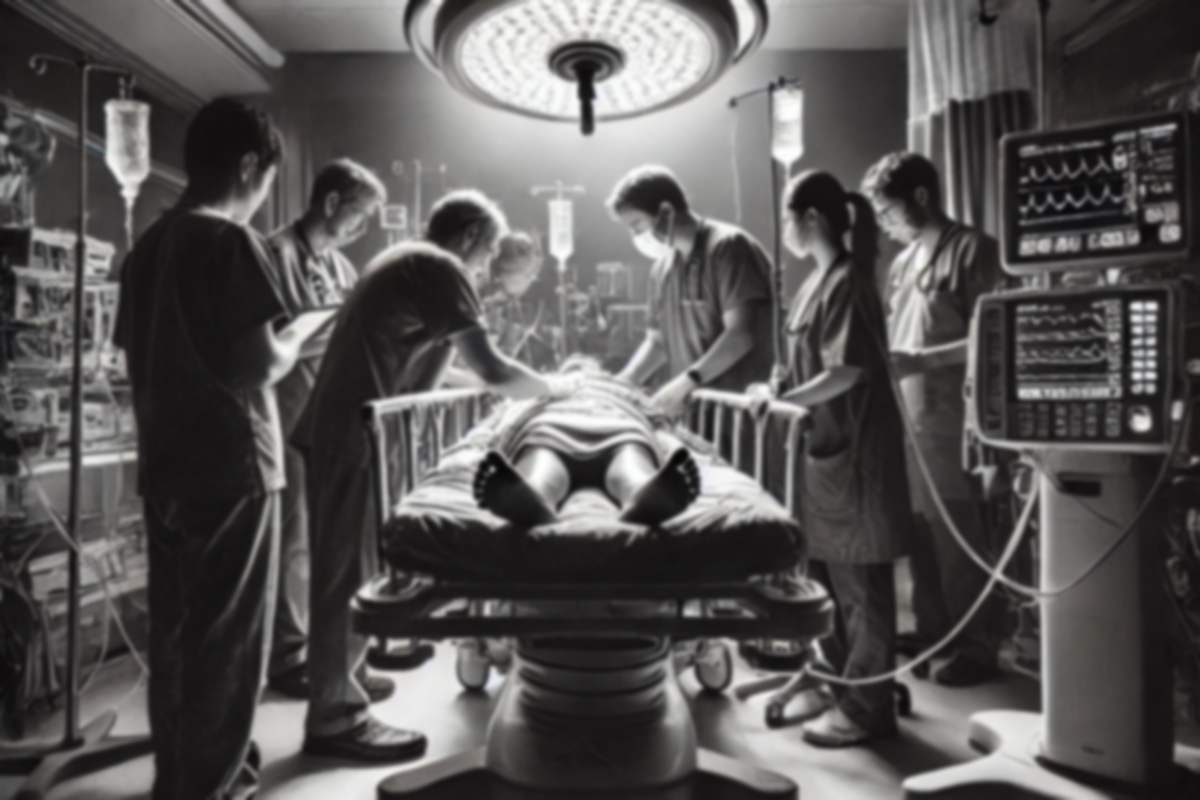
A near-tragedy unfolded at a train station in Vysočina, where an unconscious man was discovered, his body temperature perilously low at just 25°C (77°F). Moments after paramedics arrived, his heart stopped due to a critical arrhythmia, pushing him to the brink of death. Yet, as reported by BRŇAN, this grim situation turned into an extraordinary story of survival, thanks to the expertise of doctors at St. Anne’s University Hospital in Brno and the life-saving capabilities of ECMO technology.
Paramedics acted swiftly, performing CPR on-site. However, recognizing the severity of the situation, they decided to transfer the man by helicopter to St. Anne’s University Hospital. At the hospital’s Anesthesiology and Resuscitation Clinic, a team of specialists made a decisive move: they connected the patient to an extracorporeal membrane oxygenation (ECMO) device. This cutting-edge technology temporarily takes over the functions of the heart and lungs, keeping patients alive when all other methods fail. After 110 intense minutes, the impossible happened—his heart resumed beating.
Quoting Pavel Suk, the head of the hospital’s ECMO program, BRŇAN reported: “This technology, which substitutes for both heart and lung function, gave the patient a chance to survive without serious brain damage. By the second day, he was removed from the ECMO device, and by the third day, he was stable enough to be moved to the internal medicine department”.
Interestingly, the man’s extreme hypothermia turned out to be an unlikely factor in his survival. Suk explained to BRŇAN that hypothermia can paradoxically protect the brain from oxygen deprivation, buying precious time in critical cases like this one.
The use of ECMO technology has expanded significantly in recent years. During the COVID-19 pandemic, it became a vital tool for supporting patients with severe respiratory failure. St. Anne’s University Hospital, a regional ECMO center for South Moravia, has seen the device save countless lives. As Suk further noted in the BRŇAN report, “Recently, we’ve used ECMO for patients with severe respiratory complications due to influenza, but its primary application remains for heart failure. There’s hardly a time when at least one patient here isn’t connected to ECMO”.
If you're interested in collaborating with us, feel free to share your suggestions, including those related to the places we review, or notify us about any events by sending an email to expat247@outlook.com.
